
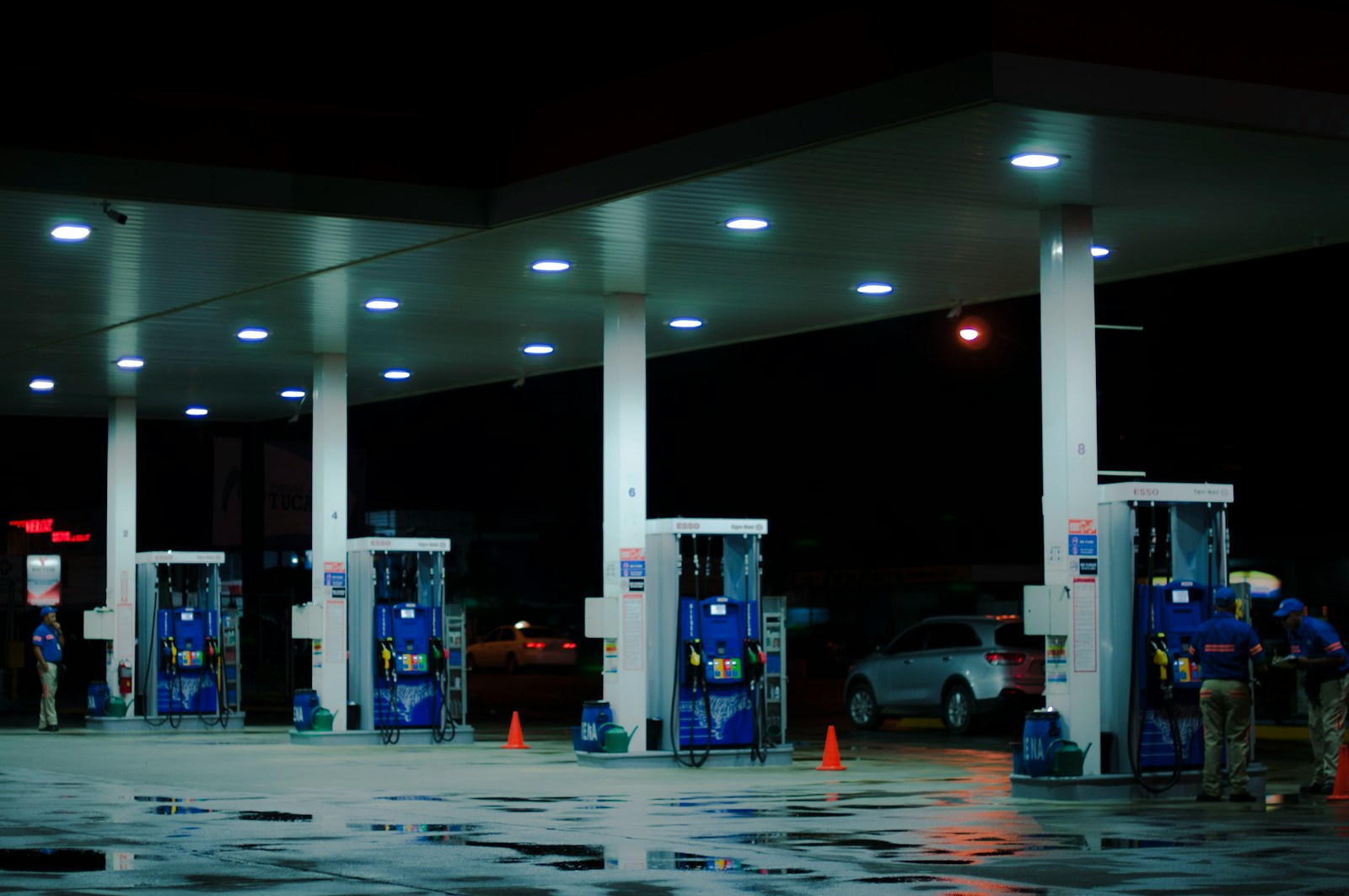
On June 30, 2026, the U.S. Department of the Treasury’s Financial Crimes Enforcement Network (“FinCEN”) issued an alert (the “Alert”), alongside a press release, outlining efforts to combat fiscal fuel theft (known in Mexico as “huachicol fiscal”) along the U.S.-Mexico border. In simplest terms, fiscal fuel theft occurs when fuel is smuggled from the U.S. to Mexico to evade Mexico’s import tax.
FinCEN’s action is part of U.S. law enforcement’s broader effort to curtail money laundering activities by Mexico-based cartels,” including the Jalisco New Generation Cartel (CJNG), the Sinaloa Cartel, and the Gulf Cartel— a subject we have previously covered. The Alert supplements FinCEN’s May 2025 alert on the topic and it provides updates in methodologies used in the operation and on new sanctions imposed by the Treasury’s Office of Foreign Assets Control (“OFAC”). FinCEN’s alerts describe a scheme to bypass Mexican energy regulations, evade taxes, and undercut the fuel market, while relying on U.S. financial institutions to process transactions. In response, U.S. financial institutions operating in oil and gas markets along the southern border should remain vigilant in their due diligence and their reporting obligations.
Background: How Cartels Smuggle and Commercialize U.S. Fuel in Mexico
Mexico’s regulatory and economic programs have led to an expensive and concentrated market for fuel products. Cartels are taking advantage of rising costs by smuggling fuel across the southern border to evade Mexican import taxes while using the excess profits to advance their enterprises.
While Mexico produces oil, it depends on imports of refined petroleum to support its economy. The U.S. is a major trading partner in this sector, exporting refined fuel that accounts for over 70% of Mexico’s fuel consumption. Although foreign fuel is necessary, importing energy into Mexico is a highly regulated, multipart process.
Companies must have a permit from Mexico’s Secretariat of Energy (SENER) to import fuel. A SENER permit allows a company to pay the Special Tax on Products and Services (IEPS) through a licensed customs broker. After paying import taxes, companies with SENER permits can only sell their imports to companies with permits from Mexico’s National Energy Commission (CNE). A CNE permit allows a company to commercialize fuel products in Mexico, but without a SENER permit they are prohibited from importing fuel themselves. Mexico has made a concerted effort to separate importing and commercializing, as most companies are only permitted to have one of the permits.
Cartels bypass the regulations by using companies with CNE permits as fronts to broker foreign purchases, import products, and commercialize smuggled fuel without paying the IEPS. The Alert provides a general overview of the operation: Cartel- affiliated brokers with CNE permits—but without SENER permits—illegally purchase fuel directly from well-connected U.S. traders. These traders, primarily based in Texas, use industry connections to purchase products to source products from major refineries and distributors, diverting fuel designated for legitimate export to Mexico to cartel fronts and shell companies instead. After securing the products, cartels use a variety of methods to move fuel across the southern border, including falsifying customs documents to misrepresent products as those not subject to the IEPS import tax; bribing border officials; and using shipping containers to disguise and hide the fuel. Once in Mexico, the cartels legitimatize the smuggled fuel through forged invoices claiming the fuel was purchased in compliance with applicable regulations.
By significantly reducing costs to bring fuel to the commercial market in Mexico, cartels can sell fuel below market value at affiliated gas stations and unregulated roadside stops. The scheme both undercuts legitimate operators in the supply chain and deprives the state of significant tax revenue.
The Alert also details how Cartel-affiliated Mexican brokers pay their U.S. counterparts, primarily through international wire transfers and digital asset payments, including stablecoins, processed through U.S. and Mexican financial institutions and digital asset service providers, as well as through structured cash deposits along the southern border. U.S. traders then launder these illicit proceeds through purchases of luxury goods, real estate, and investment assets.
New Sanctions
In conjunction with the Alert, OFAC imposed sanctions on two individuals and nine associated entities involved with the scheme. These sanctions highlight the variety of roles necessary in the Cartel’s operation.
First, the government sanctioned Oscar Guillermo Juraidini Silva and his businesses for operating as an accountant and key planner of financial operations in the smuggling scheme. Second, the government sanctioned J. Refugio Ruiz Villagomez for knowingly smuggling fuel into Mexico. These sanctions were pursuant to Executive Order (“E.O.”) 14059, Imposing Sanctions on Foreign Persons Involved in the Global Illicit Drug Trade and E.O. 13224, Blocking Property and Prohibiting Transactions With Persons Who Commit, Threaten To Commit, or Support Terrorism, as amended by E.O. 13886, Modernizing Sanctions To Combat Terrorism.
In a sign of deepening cross-border coordination, Mexico’s Financial Intelligence Unit announced that it had blocked the domestic bank accounts of Juraidini, Ruiz Villagomez, and nine additional individuals identified through its own parallel financial analysis—underscoring that U.S. and Mexican authorities are pursuing these fiscal fuel theft networks in tandem.
Key Takeaways for U.S. Financial Institutions
U.S. financial institutions should do their best to discern whether a customer is a reputable company operating in a way that is typical in the oil and gas industry for a company of their size. A non-exhaustive list of red flags in due diligence for industry relevant customer behavior includes:
- A customer engages in traditional money laundering typologies with transactions having no clear connection to the industry (e.g., the sale or purchase of luxury goods, real estate, and investment assets)
- A customer receives payments directly from Mexican companies without a SENER permit or with a CNE permit
- A customer receives payments from a company affiliated with the Cartel
- A customer has little to no business expenses, operations, or online presence
- A customer is a U.S.-based company operating in Mexico without a Mexican subsidiary
- A customer receives funds from small, recently established U.S. companies
- A customer sends or receives a significant volume of non-descript payments
- A customer receives significant transaction activity with insufficient infrastructure to store or transport the fuel
- A customer receives funds from companies registered to residential addresses
Financial institutions who uncover suspicious activity in their due diligence processes must follow reporting requirements under the Bank Secrecy Act (BSA), which includes filing a Suspicious Activity Report (SAR) if a transaction is related to criminal activity. In the twelve months following FinCEN’s May 2025 alert, financial institutions filed more than 160 SARs detailing over $7 billion in suspicious activity connected to these schemes, with Texas and Florida the most commonly implicated states. Financial institutions operating along the southern border should also consider joining voluntary information sharing programs amongst financial institutions. If you would like to remain updated on these issues, please click here to subscribe to Money Laundering Watch. Please click here to find out about our Anti-Money Laundering Team.