
AMA Details Components of a Strong AML/BSA Program for the Gaming Industry

Earlier this month, the American Gaming Association (“AGA”) released an updated Best Practices for Anti-Money Laundering (“AML”) Compliance (“Best Practices Guidance”) reflecting a heightened focus on risk assessment as well as Know Your Customer/Customer Due Diligence measures for the gaming industry. This update amends the industry’s first set of comprehensive best practices for AML compliance, issued in 2014. At the time, the best practices were well-received by the U.S. Department of Treasury’s Financial Crimes Enforcement Network (“FinCEN”). These updated Best Practices have drawn from recent FinCEN guidance and enforcement actions, the Treasury Department’s National Money Laundering Risk Assessment, and the Office of Foreign Assets Control’s (“OFAC”) updated compliance guidelines and provide detailed guidance regarding how the industry can continue to be “a leader in compliance.”
Continue Reading AMA Updates AML Best Practices for AML Compliance
 On November 20, 2019, AUSTRAC, Australia’s anti money-laundering (“AML”) and counter-terrorism financing (“CTF”) regulator,
  Today we are very pleased to welcome guest bloggers

 I am really honored to be moderating the
 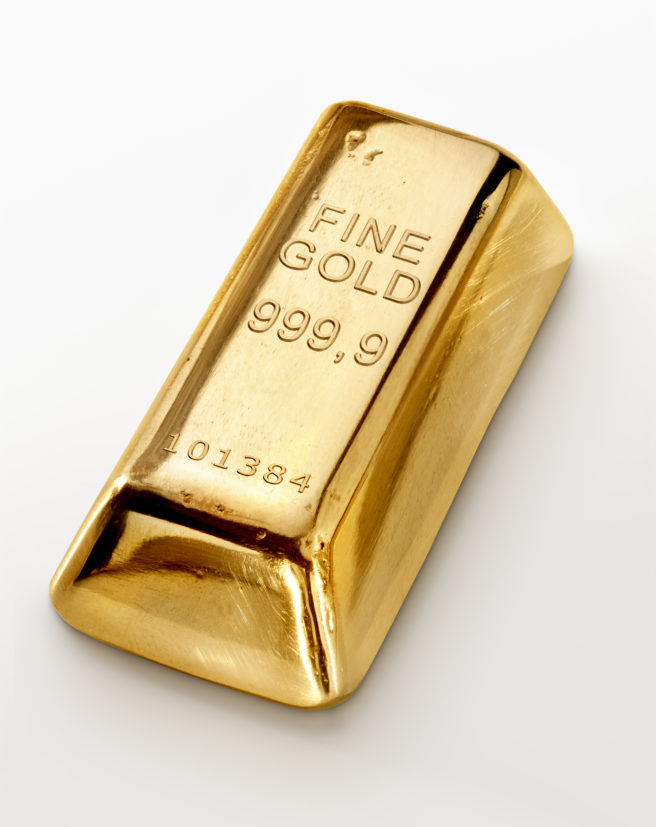 On April 17, 2019, the United States Attorney’s Office for the Southern District of Florida (the “Government”) announced its non-prosecution agreement (available here) entered into with a Miami-based gold refinery, Republic Metals Corp. (“RMC”), related to the refinery’s failure to maintain a robust anti-money laundering (“AML”) program. RMC is the second American refinery whose AML program has been identified as deficient by the Government as part of its ongoing probe into gold imports from South American countries such as Peru, Bolivia, and Ecuador (dubbed “Operation Arch Stanton”). The Government’s decision to decline prosecution against RMC stands in stark contrast to its prosecution last year of another refinery, Texas-based Elemetal LLC (“Elemetal”), arising from the same probe.
 The potential role of high-end art and antiquities in money laundering schemes has attracted increasing attention over the last several years, particularly as the prices for such objects steadily rise and a tightening global enforcement and regulatory net has rendered other possible avenues for money laundering increasingly less attractive. The effort to subject U.S. dealers in art and antiquities to Anti-Money-Laundering (“AML”) obligations recently has gained new life. As we
 “V-bucks,” the in-game virtual value currency of the wildly popular video game, Fortnite, is
  As we have
  On December 7 and 10, 2018, the